Teleradiology is a game-changing innovation in medical imaging that enables radiologists to read, interpret, and share imaging results from anywhere in the world. Whether you're a small rural clinic, a multi-location hospital network, or a diagnostic imaging center expanding services beyond borders, teleradiology has become a cornerstone in improving patient care.
With the demand for remote diagnostics and 24/7 radiology support on the rise, understanding the fundamentals of teleradiology and its differences from traditional methods is more crucial than ever.
In this blog, we’ll unpack the meaning of teleradiology, explain the term “Telerad,” break down its four key components, and explore how it’s transforming healthcare delivery. We'll also show you how platforms like PostDICOM make teleradiology accessible, efficient, and scalable, with the bonus of a free trial to test it out yourself.
Let’s start with the basics. Teleradiology is a combination of two words: tele, meaning "at a distance" (from the Greek tele, meaning "far off"), and radiology, the medical discipline that utilizes imaging technologies to diagnose and treat diseases.
So, teleradiology quite literally means "radiology at a distance." It involves the transmission of radiological images, such as X-rays, MRIs, CT scans, and ultrasounds, from one location to another to share results with radiologists and physicians who are not physically present at the patient's location.
The origins of teleradiology can be traced back to the early days of digital imaging, when hospitals began digitizing film-based radiographs and utilizing rudimentary networks to transmit images. However, it wasn’t until the late 1990s and early 2000s, with the rise of high-speed internet and robust digital image storage systems, that teleradiology began to take off in earnest.
Today, teleradiology is a vital component of modern healthcare, utilized in emergency situations, overnight coverage, rural healthcare services, and even cross-border medical consultations.
You might come across the term "Telerad" in the context of healthcare IT, job titles, or even company names. Simply put, Telerad is an abbreviation of teleradiology. It is often used colloquially or in a professional setting to refer to:
• Ateleradiologist(e.g., "we Have A Telerad Covering Night Shifts.")
• Ateleradiology Platform(e.g., "telerad Platform Compatibility Is Essential.")
• Ateleradiology Services Provider, Like "teleradiology Solutions" Or "telerad Tech."
In short, “Telerad” is shorthand for anything or anyone related to the practice of teleradiology.
Now let’s explore how teleradiology differs from traditional radiology—and why that difference matters in a world demanding instant medical collaboration and global expertise.
| Feature | Traditional Radiology | Teleradiology |
| Location | Radiologist is on-site | Radiologist can be remote |
| Access | Limited to physical premises | Accessible from anywhere with internet |
| Availability | Often limited to daytime hours | 24/7 access to radiologists |
| Coverage | Local or regional | National or global |
| Technology | PACS on local servers | Cloud or hybrid PACS/RIS systems |
| Cost Efficiency | High staffing costs | More scalable and cost-effective |
While traditional radiology remains essential, especially for interventional procedures and direct consultations, it also enhances the reach and efficiency of radiologists. It allows facilities to tap into a global pool of experts, improve turnaround times, and maintain continuity of care even in off-hours or underserved regions.
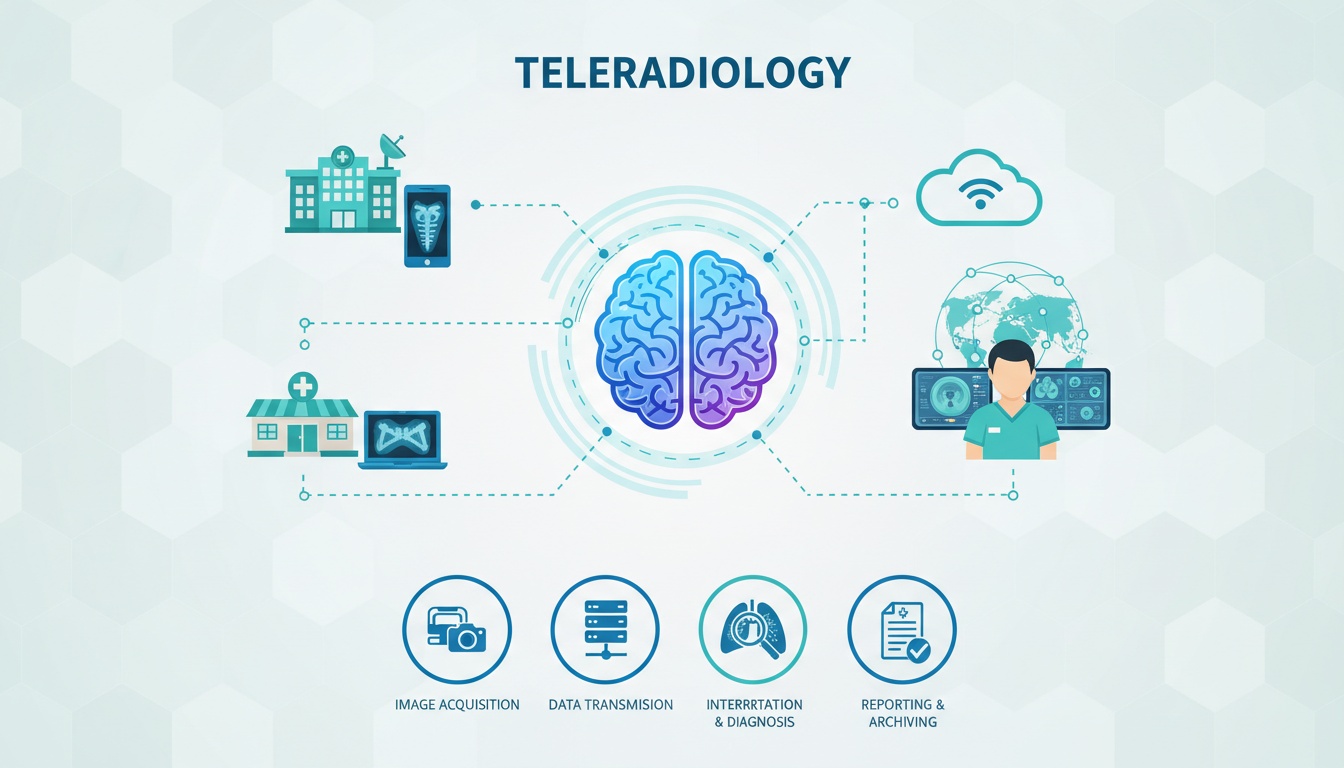
A robust teleradiology system relies on a blend of hardware, software, connectivity, and workflow protocols. Here’s a breakdown of the four essential components:
This is the point of origin, where the images are generated. It includes:
• X-ray Machines
• Ct Scanners
• Mri Machines
• Ultrasound Devices
These imaging modalities must be compatible with DICOM (Digital Imaging and Communications in Medicine) standards, which ensure images can be stored, shared, and interpreted consistently across platforms.
Picture Archiving and Communication System (PACS) is the digital storage solution that replaces traditional film archives. It allows for:
• Securestorage And Retrievalof Medical Images
• Organizationof Image Data Based On Patient Profiles
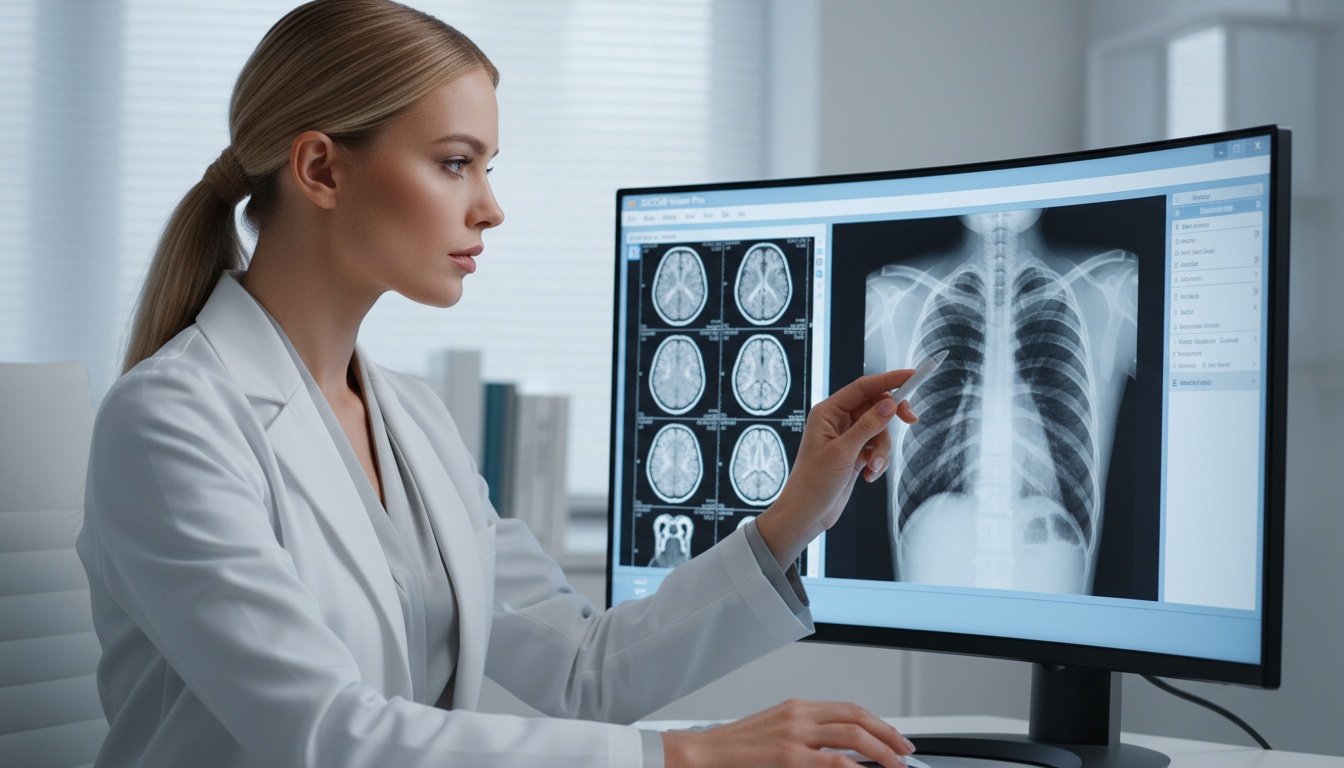
• Visualizationtools For Radiologists To Read Images
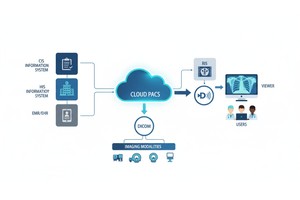
In a teleradiology context, PACS can be cloud-based (like PostDICOM) or installed locally with remote access enabled.
RIS manages the operational workflow, including:
• Patient Scheduling
• Report Creation
• Billing And Tracking
• Integration Withelectronic Health Records (ehrs)
When RIS and PACS are fully integrated, teleradiology becomes seamless, enabling smoother communication among clinicians, radiologists, and administrative staff.
This is the glue that holds it all together. Secure, high-speed internet connections, VPNs, and encrypted data transfer protocols ensure that:
• Images Reach Radiologists Quickly
• Patient Data Remains Hipaa-compliant
• Collaboration Across Sites Or Time Zones Is Smooth
For cloud-native systems like PostDICOM, the infrastructure is already optimized for secure and fast global access, making deployment much easier for healthcare facilities of any size.
 - Created by PostDICOM.jpg)
Here’s why it plays a pivotal role in shaping the future of healthcare:
Teleradiology brings expert diagnostics to rural or underserved regions where radiologists are scarce. This is especially important in developing countries or during crises, such as natural disasters.
Emergency rooms and trauma centers benefit from the immediate availability of off-site radiologists, ensuring quicker diagnosis and treatment plans, often within minutes.
Teleradiology allows healthcare facilities to offer round-the-clock radiology services without the need to staff radiologists on-site overnight or during holidays.
Hospitals and clinics can scale imaging services without hiring additional full-time radiologists. They only pay for what they use, making it an efficient growth model.
Need a neuroradiologist for a complex brain scan? Or a pediatric radiologist for a child’s CT? Teleradiology gives you instant access to subspecialists, regardless of where they are located.
With cloud-based platforms like PostDICOM, radiologists and clinicians can share annotated images, track reports, and discuss cases in real time, improving multidisciplinary care coordination.
If you’re ready to modernize your radiology workflow or explore the world of teleradiology for the first time, PostDICOM is a powerful, cloud-native platform that checks all the right boxes.
• Free Cloud-based Pacs System With Zero Installation
• Access Your Images From Any Device, Anytime
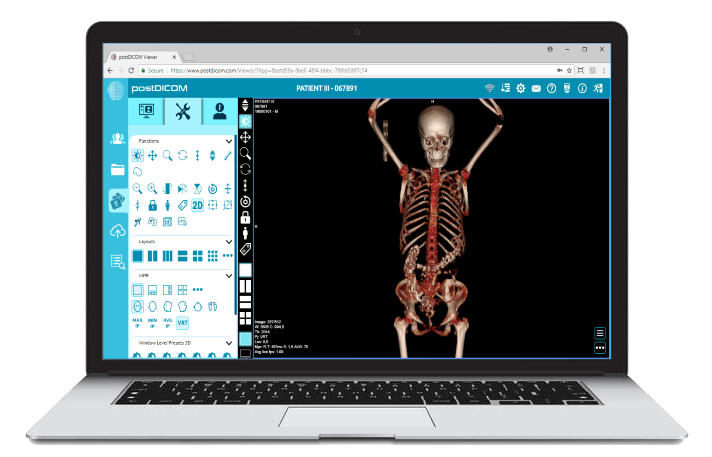
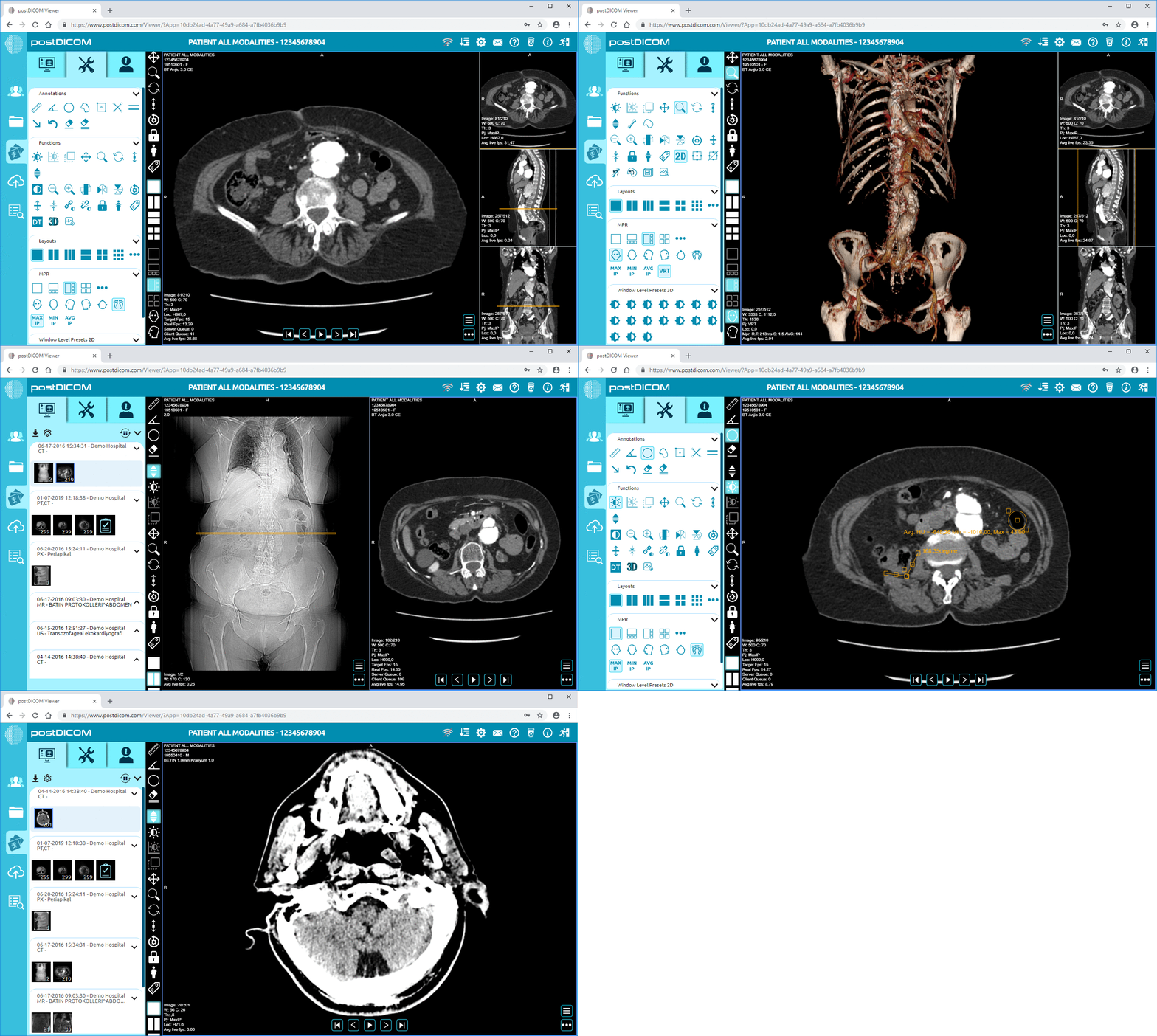
• Dicom Viewer With Advanced Tools For Annotation And Analysis
• Full Hipaa-compliant Security Protocols
• Collaboration Tools For Clinicians And Radiologists
• Customizable Workflow Automation And Reporting Features
Whether you’re an independent radiologist, a clinic, or a large hospital network, PostDICOM allows you to test-drive the power of teleradiology without upfront costs.
Experience the full capabilities of PostDICOM’s teleradiology platform absolutely free. You can upload studies, invite collaborators, and start reporting all from a secure, intuitive cloud interface.
Click here to start your free trial of PostDICOM today .
No credit card required. Just sign up and start exploring.
|
Cloud PACS and Online DICOM ViewerUpload DICOM images and clinical documents to PostDICOM servers. Store, view, collaborate, and share your medical imaging files. |